Choosing a garage door color is one of those home decisions that looks simple until you stand in front of paint swatches and realize how many things change depending on the shade you pick. A garage door occupies a large portion of your house front, it affects curb appeal, property value, and even the way you feel when you pull into your driveway. At Monacco Garage Door Services we guide homeowners through that decision every week, and over time I have learned a few practical rules that save time, money, and regret.
This article walks through aesthetic, practical, and neighborhood considerations. It includes real trade-offs I have seen when installing doors for clients in Belmont and surrounding towns, plus concrete tips you can apply the next time you evaluate samples or schedule a replacement with a Garage Door Company Belmont MA.
Why color matters beyond looks
Color sets the first impression. A well-chosen door reads as intentional, maintained, and high quality. The wrong color can make a sound house look unfinished or draw attention to blemishes you would otherwise not notice. Beyond appearance there are material and climate effects. Dark colors absorb heat and can accelerate paint fade or affect door balance if thermal distortion occurs. Light colors reflect heat but show dirt more readily. In Belmont, where sun exposure, seasonal temperature swings, and tree cover vary block by block, those trade-offs matter practically.
I remember a colonial on Trapelo Road where the homeowner chose a deep charcoal because it matched the shutters. It looked stunning for the first two seasons. By the third summer we began getting calls about warping on the aluminum-model door, and inspection showed repeated expansion and contraction in the panels. The homeowner did not regret the look, but after reinstalling a reinforced insulation package and a UV-stable finish, the door performed reliably. The lesson: color choice should align with the door construction and the level of insulation you plan to use.
Neighborhood and architectural fit
Start by looking at the house, then the street. A garage door should harmonize with the architectural style, not compete with it. Traditional colonial homes often read best with subdued, classic colors. Craftsman bungalows welcome warm, earthy tones. Contemporary houses tolerate bolder, monochrome choices.
There is a practical social rule too. In many Belmont neighborhoods homeowners associations or local historical commissions encourage contextually appropriate colors. Before committing to a bright teal or stark black, check local guidelines. A quick phone call to the town office or a glance at recent neighboring sales photos can save you from needing to repaint six months later.
Material and finish interact with color
Different materials take color differently. Steel doors usually use factory-applied paint or powder coating, which resists chipping and is available in many hues. Fiberglass panels can mimic wood grain well, but some pigments appear translucent on thin laminates, producing uneven tones. Wood doors accept paint and stain beautifully, but require regular maintenance. Composite doors try to marry low maintenance with a convincing wood look, but they can limit your palette to colors formulated for that substrate.
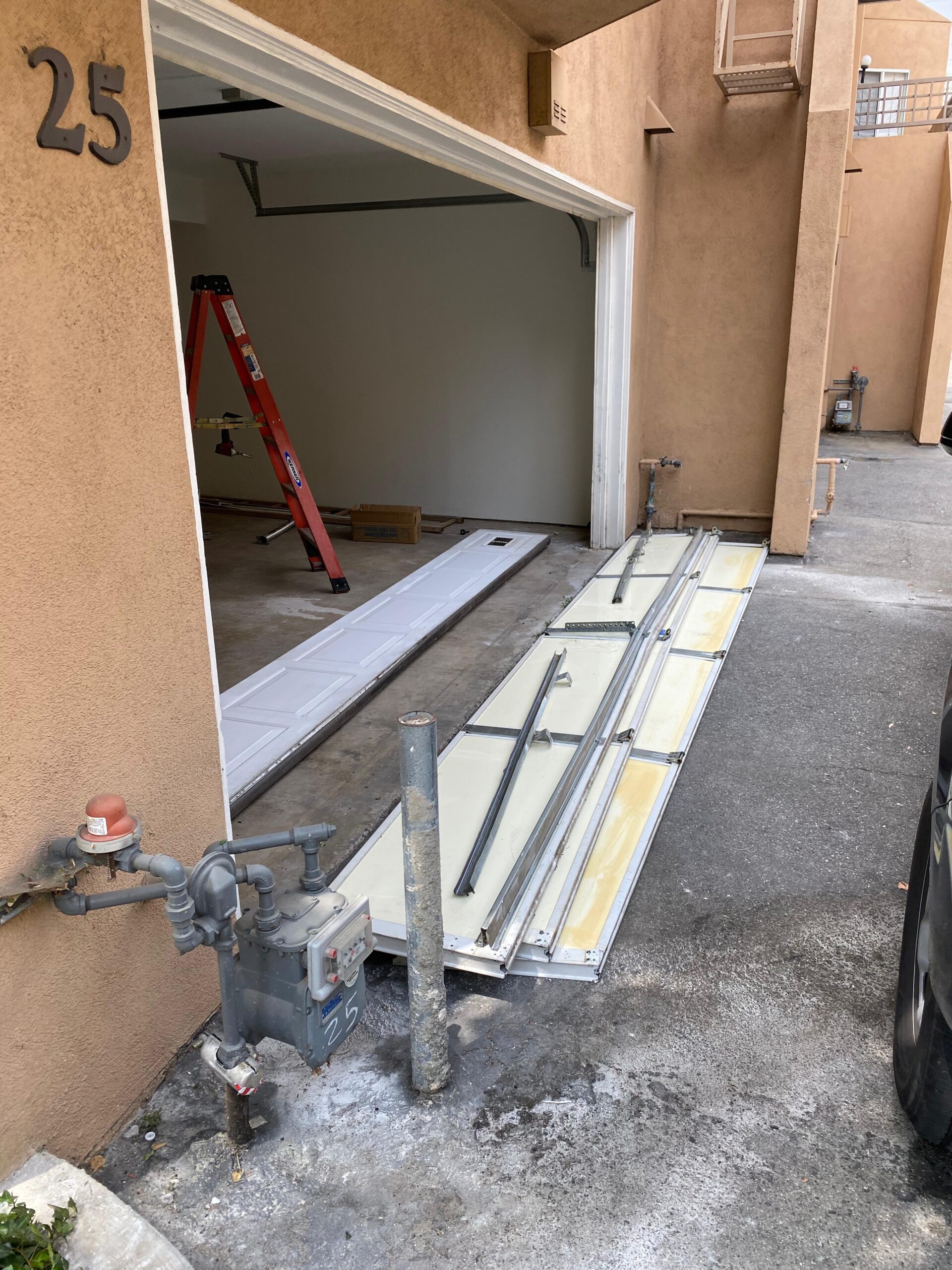
Finish matters as much as hue. Matte finishes hide minor dings and scratches, which is why many of our clients with young children choose low-luster paints. Semi-gloss is Garage Door Company easier to clean and picks up architectural trim. High gloss will make colors sing, but expect to notice imperfections. If your garage gets frequent contact from bikes, landscaping equipment, or pets, a satin or semi-gloss that balances durability and hiding power usually performs best.
How light and landscaping change perception
Light transforms color over the day. A warm beige facing east will glow in morning light and look flatter by afternoon. Trees and shrubs cast color into the door, especially if foliage is dense. I have seen a house with an olive-green door that shifted to a jade tone when the sun filtered through maples. That same green looked brown on overcast days.
To avoid surprises, view swatches on-site, not just inside a showroom. Tape three large swatches to the door area and observe them at morning, midday, and dusk if you can. If that is not possible, at least step outside in natural light with a 12-inch square sample. Small chips or digital photos mislead, because the eye interprets small color fields differently than large ones.
Practical considerations: heat, maintenance, resale
If you plan to be in your home fewer than five years, pick a color that broad buyers will accept. Neutral palettes, such as off-white, warm gray, or classic taupe, typically broaden market appeal. If you plan to stay longer and want to express personality, a stronger color may make sense.
Thermal behavior matters for garages that contain living space above or a workshop. Dark surfaces absorb and transfer heat into the structure. On non-insulated doors this creates larger temperature swings inside the garage. For insulated doors the effect is muted, but not eliminated. If your door will receive full sun for much of the day, pair darker colors with insulation rated at least R-12, and consider finishes formulated to resist UV fade.
Maintenance differences are practical. White or very light doors show scuffs and dirt but are usually easier to touch up. Textured finishes hide imperfections. Stained wood demands the most upkeep, requiring sanding and a fresh coat every few years in New England’s variable climate. Composite or steel with quality factory finishes minimize annual maintenance.
Choosing contrast or blend
There are two lasting approaches I recommend depending on priorities: blend with the house, or create contrast as a focal point.
Blending works well when the goal is cohesion. Match the door to trim or siding undertones so the whole facade reads as one composition. This is the route I recommend for older homes or historic districts where continuity matters.
Contrasting makes the garage a design feature. A deep navy or rich red can anchor an otherwise neutral facade, but contrast requires discipline. Keep other elements simple. If you have many decorative features, an eye-catching door can feel like too much.
My practical rule is this: if 60 percent or more of the facade is a single dominant material, you can safely choose contrast. If the facade already has three or more competing colors or textures, favor blending.
Quick checklist before ordering a painted door
- Verify if your neighborhood or HOA has color restrictions. Place large samples on-site and observe at different times of day. Match finish and pigmentation choice to door material and maintenance tolerance. Pair darker colors with higher insulation and UV-stable paint. Photograph the proposed color with house lighting for resale listings.
Color trends and timeless choices
Trends sweep through communities, but not all trends age well. In recent years we installed more charcoal and deep green doors, often paired with black hardware. Those choices read modern while remaining grounded. Classic choices that rarely age poorly include warm neutrals, true white, and wood stains that echo native species.

If you want a bolder color but intend to sell within a few years, consider using that color on hardware or decorative overlays rather than the entire door. A striking handle set or window grille can deliver personality without committing to a full repaint.
Hardware, windows, and trim influence perception
Small details amplify color choices. Dark bronze hardware will make warm colors feel more traditional. Polished chrome or satin nickel pushes the look modern. The presence and shape of windows on the door affect how a color reads. A door with multiple high windows reflects the sky and can appear lighter. If you plan decorative windows, test colors with mockups that include reflective elements.
Examples from Belmont installs
A townhouse complex near Belmont Center required uniformity across a row of units. The developer initially wanted white doors, but a single white panel showed dirt and soot in a year because of a nearby street. We recommended a warm beige with a matte finish, and added a drip edge to reduce staining. The result preserved a clean look with less maintenance.
Another client on Leonard Street wanted a bold entry that reflected an artistic personality. We chose a muted teal on a composite door with horizontal panels, paired with matte black hardware. The door aged without staining, required no seasonal maintenance beyond a rinse, and helped the house stand out on listing photos. The home sold six months later, with feedback from buyers praising the cohesive, confident aesthetic.
Edge cases and trade-offs
If your property has heavy shade from mature trees, darker colors may look flat or muddy. Lighter colors can appear cleaner there. Near busy roads where vehicle exhaust accumulates, very light colors will need more frequent cleaning. In coastal areas or places with high pollen, textured finishes hide residue better than smooth ones.
If you are painting over an existing door, understand that primer and paint adhesion vary by substrate. Factory-finished steel panels with a baked enamel are durable, but repainting requires scuffing and a primer designed for that surface. Wood requires grain-filling if you want a perfectly smooth finish. Budget for preparation; a rushed paint job will look worse than a deliberate color change.
Sustainability and paint choice
Not all paints are equal environmentally. Low-VOC paints now match traditional finishes in durability, so choose them when possible. Some factory coatings include UV inhibitors that dramatically extend color life, reducing the frequency of repainting. If long-term maintenance and environmental impact matter, spend a bit more on finishes engineered for longevity.
How Monacco Garage Door Services helps
At Monacco Garage Door Services we treat color selection as part of the installation plan, not an afterthought. Our process includes a guided onsite consultation, large-format swatches, and climate-appropriate finish recommendations. If you are working with a Garage Door Company Belmont MA, request an on-site color mockup before finalizing. That step often resolves doubts faster than online research.
We also factor in the door model. Different construction types require different paints or stains. Our installers document exposure, insulation needs, and maintenance expectations, then propose a palette that suits both aesthetics and function. We have standard colors that we keep in stock for fast turnaround, plus the ability to order custom-match factory finishes when homeowners choose a signature color.
When to invest in custom factory finishes
If you want a color outside common palettes, factory-applied custom finishes are worth considering. They adhere better, resist chipping, and often come with a longer warranty than field paint. For historic restorations or high-end remodels, the premium is justified because it preserves both appearance and resale value.
When to expect a repaint
Even with the best finishes, expect exterior paints to require attention over time. For wood doors, plan on a full refinish every three to five years in New England’s climate, possibly sooner on south-facing exposures. Factory-painted steel doors typically show age after seven to fifteen years depending on UV exposure and salt air. Buying a durable finish and maintaining it prevents more expensive repairs later.
Final judgment calls
Color selection is part aesthetic, part risk management. If you prioritize resale and low maintenance, choose moderate neutrals with a durable finish. If you want personality and plan to stay long term, opt for bolder choices but pair them with appropriate insulation and factory coatings. Consult onsite, test large samples, and match finishes to materials.
A practical next step is to schedule an onsite consultation with a trusted installer. Ask for large swatches, an assessment of sun exposure, and a maintenance estimate for three horizons: one year, five years, and ten years. A Garage Door Company Belmont MA worth your time will provide those details without pressure.
If you want help narrowing colors for your home in Belmont, Monacco Garage Door Services offers color consultations tailored to the house architecture and exposure. We balance visual impact with material realities, so your door looks great and performs for years.
Monacco Garage Door Services
687 Belmont St Unit A, Belmont, MA 02478
+1 (617) 927-9512
[email protected]
Website: https://monaccogaragedoorservice.com/